
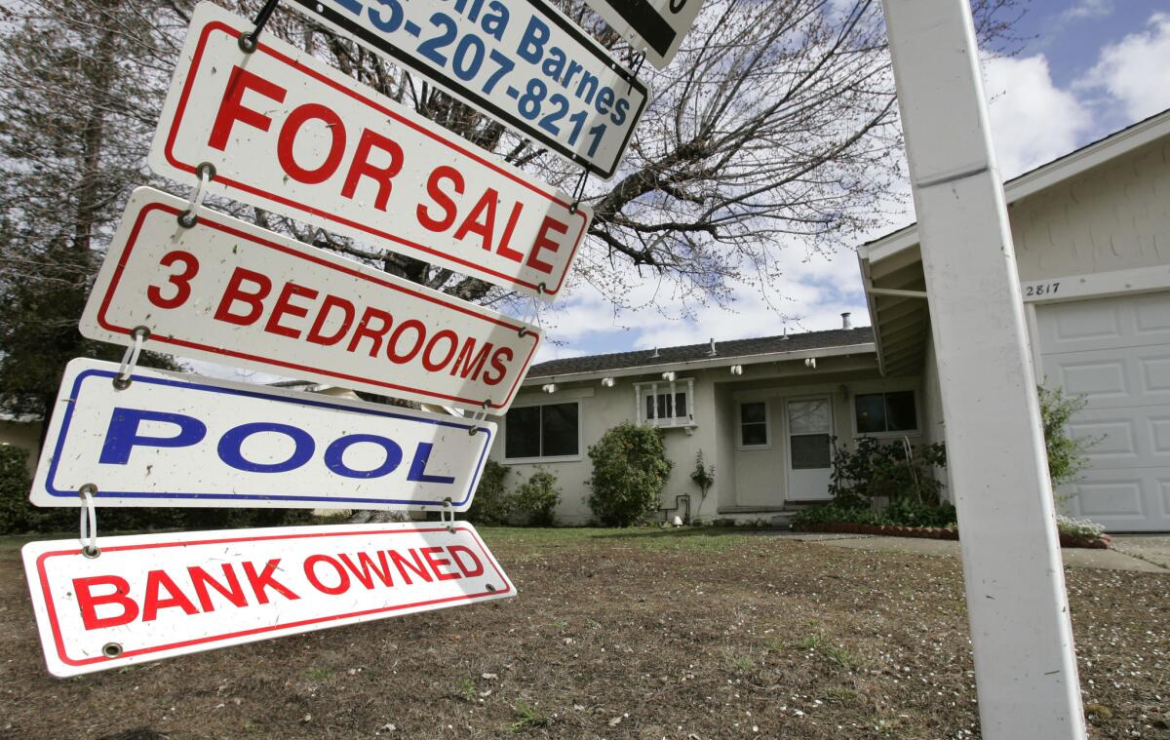
The global property market crash of 2008 was one of the most significant economic events in modern history. What began as a housing problem in the United States quickly escalated into a worldwide financial crisis, impacting banks, investors, governments, and homeowners across continents.
Understanding when the crash happened, why it occurred, and what lessons it offers is essential for anyone involved in real estate, finance, or long-term investing.
When Did the Global Property Market Crash?
The crash unfolded over several years:
- 2006–2007: Property prices peaked in many countries
- 2007: Early signs of distress appeared, especially in the US housing market
- 2008: Full-scale collapse and global financial crisis
- 2009 onward: Prolonged recession and slow recovery
Although property prices did not fall everywhere at the same time, 2008 is widely recognized as the year the global property market crashed.
The Core Causes of the 2008 Property Market Crash
The crash was not triggered by a single event. It was the result of multiple systemic failures that built up over years.
1. Subprime Mortgage Lending
At the heart of the crisis was the widespread issuance of subprime mortgages, particularly in the United States.
Banks and lenders offered home loans to borrowers who:
- Had poor credit histories
- Had unstable or unverifiable income
- Could not realistically afford long-term repayments
These loans were often approved with minimal checks, under the assumption that rising property prices would cover the risk.
2. Easy Credit and Low Interest Rates
Following the early 2000s economic slowdown, central banks kept interest rates unusually low.
This led to:
- Cheap borrowing
- Rapid growth in home ownership
- Investors purchasing multiple properties using leverage
Low interest rates encouraged speculative buying rather than genuine housing demand.
3. Adjustable-Rate Mortgages and Payment Shocks
Many borrowers were given adjustable-rate mortgages (ARMs):
- Initial “teaser” interest rates were very low
- After a few years, rates reset sharply higher
When interest rates rose:
- Monthly payments increased suddenly
- Millions of borrowers defaulted
This caused a sharp rise in foreclosures.
4. Securitization and Complex Financial Products
Banks did not keep these risky mortgages on their balance sheets. Instead, they:
- Bundled them into Mortgage-Backed Securities (MBS)
- Further repackaged them into Collateralized Debt Obligations (CDOs)
These products were sold globally to:
- Pension funds
- Investment banks
- Insurance companies
Credit rating agencies often labeled them as low-risk, masking their true danger.
When homeowners began defaulting, these financial instruments rapidly lost value.
5. Housing Bubble and Overbuilding
In many countries, property prices rose far beyond their fundamental value.
Key warning signs included:
- Rapid price increases disconnected from income growth
- Excessive construction and speculative developments
- Multiple properties purchased purely for resale
Once demand slowed, oversupply flooded the market, accelerating price declines.
6. Collapse of Major Financial Institutions
The crisis reached a tipping point in September 2008, when major financial institutions failed.
Notable events included:
- Collapse of Lehman Brothers
- Emergency bailouts of major banks
- Government intervention to stabilize financial systems
As trust between banks evaporated, lending froze — choking property markets worldwide.
Global Impact of the Property Market Crash
Although the crisis began in the United States, it quickly became global.
Regions Most Affected:
- United States: Massive foreclosures and price drops
- United Kingdom: Sharp decline in housing prices
- Spain & Ireland: Construction-led property collapses
- Europe: Banking crises tied to property exposure
- Middle East & Asia: Liquidity shortages and stalled developments
In some markets, property values fell 30% to 50%, and recovery took nearly a decade.
Long-Term Consequences
The 2008 property crash reshaped the global real estate and financial landscape.
Major outcomes included:
- Stricter lending regulations
- Higher capital requirements for banks
- More conservative mortgage approval processes
- Greater focus on risk management and transparency
It also changed how investors assess leverage, debt, and speculative growth.
Lessons for Today’s Property Investors
The 2008 crash offers timeless lessons:
- Property prices do not rise forever
- Easy credit often signals higher risk
- Over-leverage magnifies losses
- Market fundamentals matter more than hype
Successful real estate investment depends on cash flow, affordability, and long-term sustainability, not short-term speculation.
Conclusion
The global property market crash of 2008 was the result of excessive risk-taking, weak regulation, and blind faith in ever-rising property prices. While painful, it forced reforms that strengthened financial systems and reshaped property investment strategies.
For modern investors and policymakers alike, the events of 2008 remain a powerful reminder:
real estate cycles are inevitable — preparation and discipline make the difference between survival and collapse.
Leave a Reply